

A good song begins with good poetry, so we are learning to harness the innate art of language of a well-written song to open the world of poetry to our children. My last post only scratched the surface of the poetic elements displayed by the song “O the Deep, Deep Love of Jesus,” but once you get going, you will probably be able to find more poetic treasure hidden just beneath the surface. In time, your children will have fun pointing out new elements they have discovered even before you see them, and that is when you know you have thoroughly succeeded in your efforts. Today, let’s look at some ways to gently begin this journey with your children as well as some ways to dig deeper for older children.

One of my favorite songs to sing with my children is “Do-Re-Mi” from The Sound of Music because of the very first line: “Let’s start at the very beginning, a very good place to start…” I propose that we take this basic yet profound advice.
The beginning step to gently introduce your children to poetry through song is simply singing a familiar song together. Remember to choose a well-written song (see part 1), but it need not be complicated or new to your children. After you sing together, take a minute to ask them what they know about the song. Questions like “Can you hear a rhyme?” or “Can you tap out the beat of this song?” will really help you determine how much your children have noticed on their own and will give you a starting point. Very young children could spend a whole week just on rhyme and rhythm. An extension activity for children who are 4 to 7 years old is to find how many additional words they can rhyme with the words within the rhyme scheme. Then they can substitute those rhyming words for the originals, and you will probably coax out a giggle or two with the funny new phrases.
Another extension activity to engage your young ones is to have them step (or stomp!) the syllables of each line. You may want to introduce the stressed and unstressed syllables by stomping harder and stepping lighter, respectively. Even young children will pick up the pattern of the meter in this way, and you will get to log a few steps on your pedometer as well! Because we learn through all of our senses, the touch element of movement will only enhance the hearing component you have added to your song/poem study.
Your older students can even enjoy songs using these two activities, and they will certainly be assets as you begin talking about the atmosphere that is set by the song’s major or minor key. Younger children can hear when a song is happy (major) or sad (minor), but they are not nearly as verbally aware as older children. You may challenge your older children to relate the message of the song to the key in which the song is set. Your younger children will learn so much from simply “sitting in” with you and your older children as you discuss how the music of the song gives the appropriate climate for the words of the poem. Some good questions to level up your discussion with older children are “How does this melody match the message of the song?” and “How does the tune make you feel?” I would not settle for simple, wimpy one-word answers, so make sure you ask open-ended questions. The more descriptive your children are, the more lasting their connections will be.
As you lead the discussion with your older students, don’t miss the opportunity to talk about the climax of the song. A well-written song will have a melodic climax that will highlight the text in a lovely way. For instance, the climax of the song “O the Deep, Deep Love of Jesus” matches perfectly with the line “Underneath me, all around me is the current of Thy love.” The high point of the poem is the never-ending love that continually washes over God’s children, and the melody reaches its climax on the word “love.” Then the melody descends to a final resolution for the last line. Your older students will be able to hear this element fairly easily with a little guiding from you in the beginning.
Finally, as you dive deeply into your chosen song with your older children, instruct them to be on the lookout for any kind of metaphor or simile in the song. Many times, a song’s melody will also have a bit of a personality that will reflect whatever metaphor is most prominent in the piece. Metaphors can be blatant or more hidden, but they are fun to find and feel like a delicious extra layer of meaning for your kids to explore. Seeing that little light bulb above my daughter’s head at the discovery of a metaphorical meaning reminds me that all of the time and effort to sing with my children and appreciate the artistry of the poetry is worth every minute.
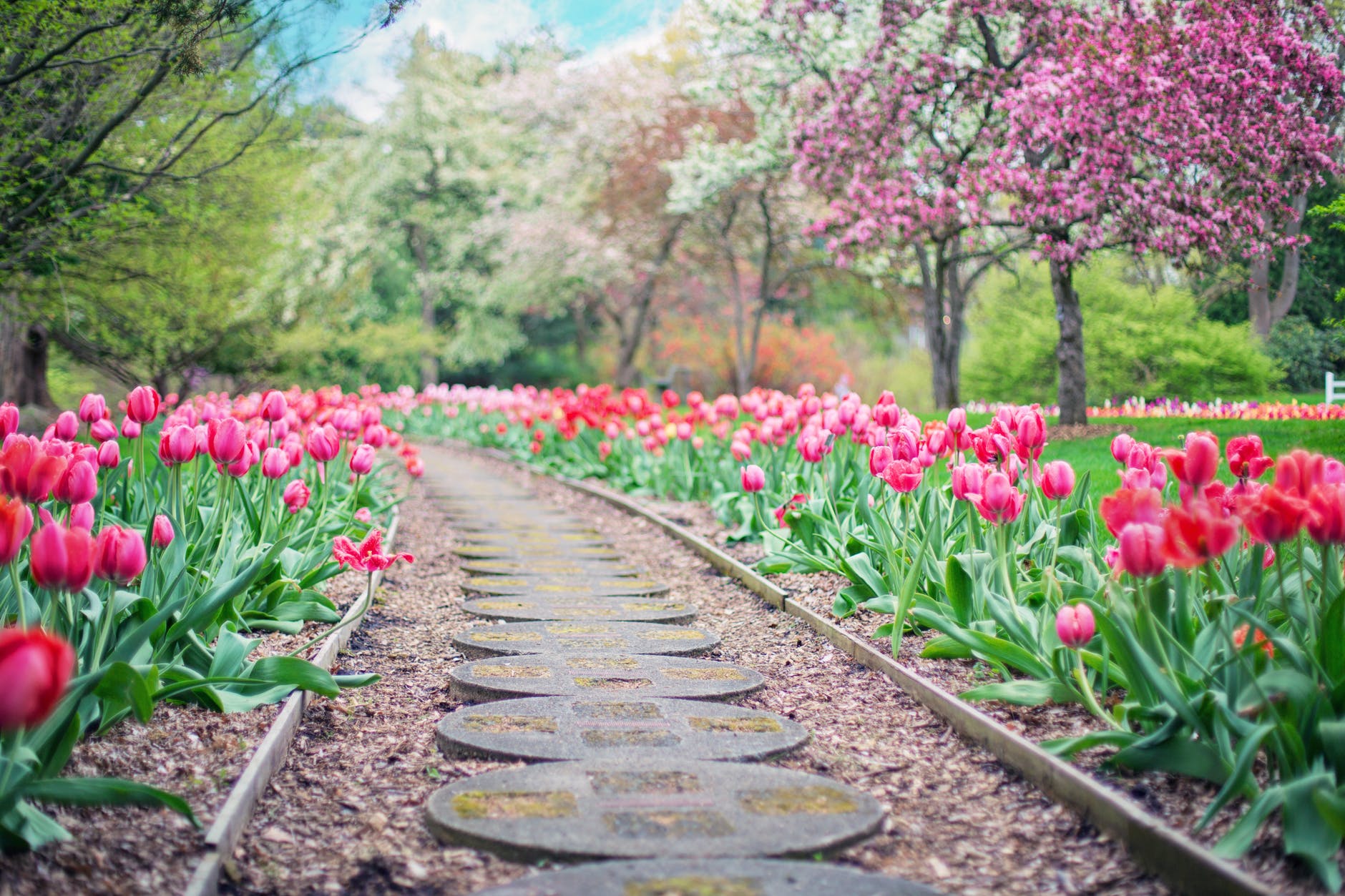
As you journey together through your family’s library of songs, you will have many opportunities to notice various poetic elements not covered in this post in a beautifully organic way. Instead of throwing a list of these elements at your children and treating a poem as a scavenger hunt, enjoy the song together, pulling out the devices as you happen upon them. It’s as if you are taking a stroll through the words and peeking behind the bushes and rocks for these flowers of artistry. You don’t want to pick the flowers so that the landscape of the poem stays beautifully intact.
One more enrichment activity to help children of any age interact with a song is to play an instrumental version of a new song, one they do not yet know, and have them draw a picture of what they hear. Then spend some time “living” with the song over the next few weeks as you discuss the different poetic elements. After your children form some familiarity with the song, play the instrumental for them again and have them draw another picture. You might even give them a different art media to use to help them break from the original drawing they made. You (and they) might be surprised to see how the poetry informs their second piece of art.
I hope these three posts have given you some ideas and encouragement to further your study of poetry as well as spur you on in your endeavor to sing often with your children. If you have any other insights and/or ideas to add to this very brief starter on music and poetry, please leave them in the comments below. As always, I want to remind you that your children will remember singing with you more than they will remember that trip to the mall with you, so make the most of your time with your children and sing with them every day!
 Come Sing Together