

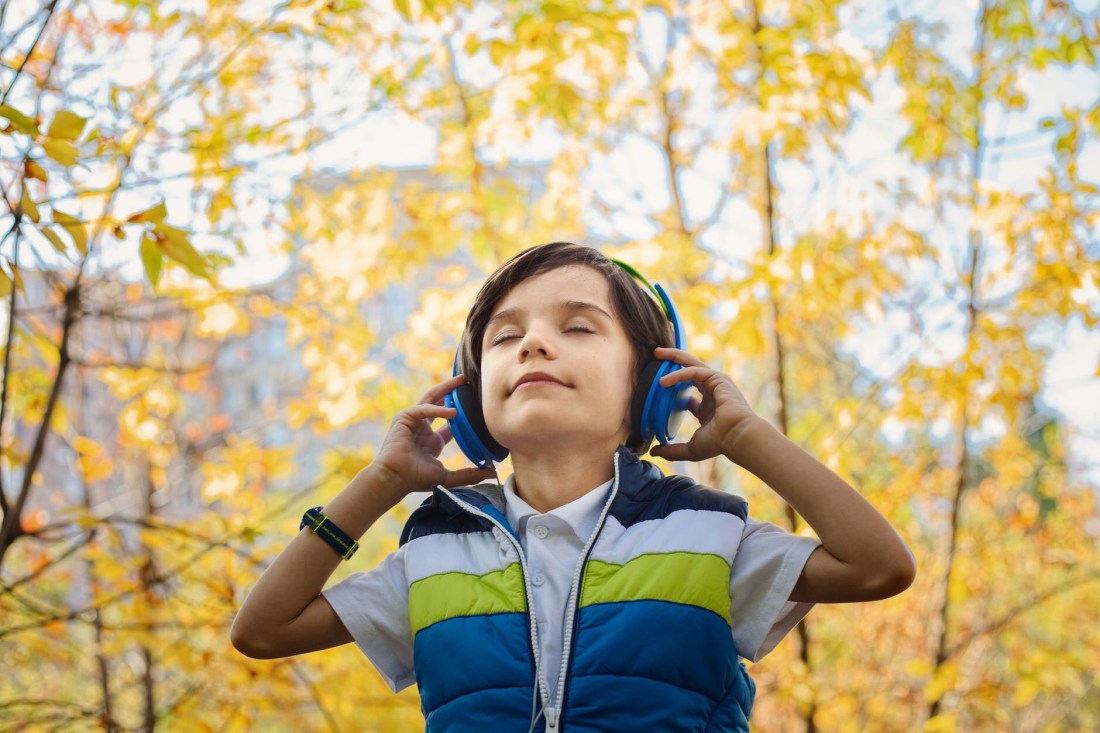
Maybe you have been lamenting the fact that your Spotify profile boasts more Wee Sing and silly song hits than that indie acoustic band you discovered last year. Or perhaps you have to nurse your raw throat with honeyed tea after the marathon nursery song singalong you hosted in your child’s bedroom last night. Maybe you are relishing the fact that your little one doesn’t care if you can’t carry a tune in a bucket. Whatever situation you find yourself in, toddlers love music, and you are their primary DJ for the next decade, so let’s talk about all the wonderful benefits of singing with your toddler.
1.) Increased vocabulary
Just as reading picture books helps toddlers grow in language awareness by association, singing songs helps a toddler place words within a context. When a child practices these songs repeatedly, he is ordering new words and grasping their meaning in a cohesive way. The poetic element of music also assists a child understand the flow and rhythm of language.
2.) Motor skill development
Music, in general, provides the rhythm that a toddler unabashedly enjoys. He might jump or sway to the beat or simply tap his fingers gently. Although his dancing is quite clumsy, his little brain is hard at work to coordinate entire muscle groups to a perceived rhythm and mood. I am always intrigued by how easily a very young child can adapt his or her movements to the tempo and mood of a song.

Singing also adds another layer of coordination as the child matches verbal ideas with specific movements. “The Wheels on the Bus” is a perfect example of the concrete hand motions a child moves rhythmically to illustrate an idea that is being sung. We take this for granted as adults, but it is remarkable to see a toddler putting all of this together.
3.) Listening skills

Singing with your toddlers also introduces auditory discernment. Children must listen to understand and reproduce the words they hear. They also learn to match the volume and even the style of singing in some cases.
4.) Observation skills

Toddlers are not too young to begin hearing distinctions in different pieces of music. Questions like, “What instrument do you hear?” or “Should we march or tiptoe for this song?” help prompt them to take a moment to observe and even participate with newfound concepts.
5.) Aural development
Matching pitch might be one of the earliest refinements a child learns on his road to singing with others. In the preschool stage, children are beginning to understand that they may sing with others, so to prepare toddlers to make this transition, singing rounds like “Row, Row, Row Your Boat” may help tune their ears to match an outside pitch. Any song that has melodic intervals that are based on the tonic triad is excellent for little ears to begin making these pitch connections.
6.) Long-Term Memory
Music is magical! We have all heard the stories of the aged who cannot remember what happened earlier that day, but they can remember the songs from their childhood. We all employ music to aid our memory. Have you ever sung your ABC’s to alphabetize something? Do you skip count by 5’s in the sing-song way your third-grade teacher taught you? Yes, singing with toddlers teaches their brains to make pathways and store information in their long-term memory even before they comprehend the words they are singing. Remarkable!
7.) Building a loving bond
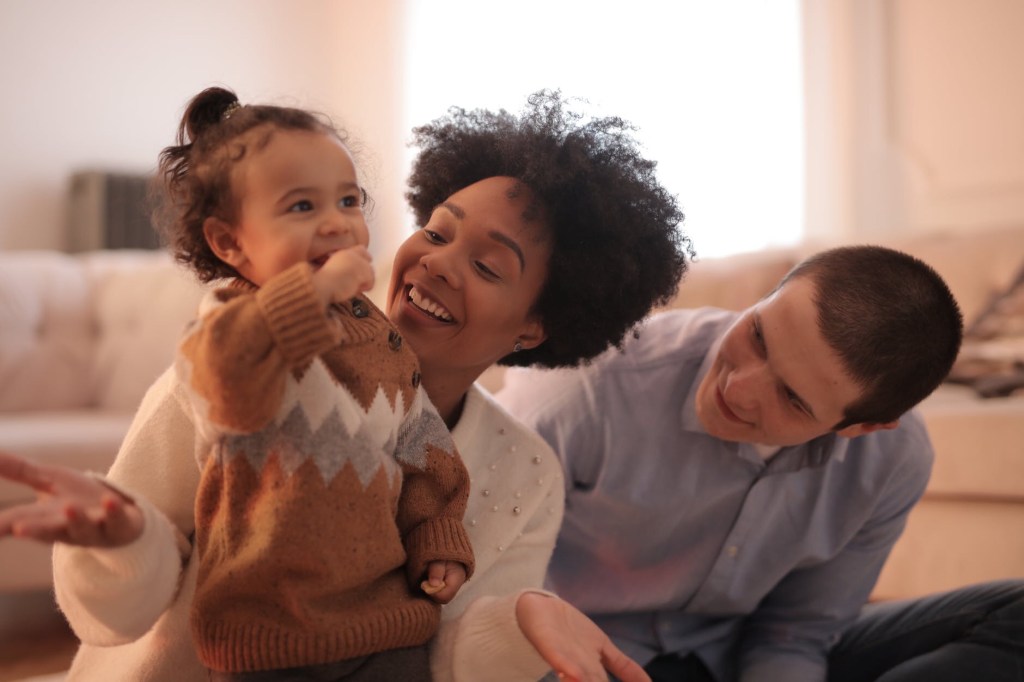
Lest we think that singing with our toddlers serves only utilitarian brain-building functions, I must mention that when you sing with your child, you are forming a lasting bond with her. That bond is filled with fun, love, and warmth. Studies indicate that people who sing together experience a rush of oxytocin, which is known as the bonding chemical. Those who sing together feel a connection that is not achieved in many other ways. It is such a beautiful byproduct of a delightful activity, and it costs nothing and takes no advance planning.
So what are we waiting for? Our house is filled with music for most of the day. We sing along with our streaming service, we make up silly songs, and we sing hymns in the evening. We dance and groove to our nursery songs, and we clap to songs with a strong pulse. My little guy loves music, and at 20 months, he is already singing and filling in the words he knows. Almost nothing excites him more than one of his favorite songs!
What are your kids’ favorite songs? Do you all sing together as a family? What children’s albums do your children enjoy? Please share! Remember: your children won’t recall if the laundry was always folded and put away, but they will remember that you sang with them everyday.



 Come Sing Together